Zora Neale Hurston Cultural Archivist
Hurston documented black life as it was lived, not sanitized, not translated. She legitimized black folklore, language, food, and ritual as academic knowledge.
Angela Mapp
1/12/20262 min read
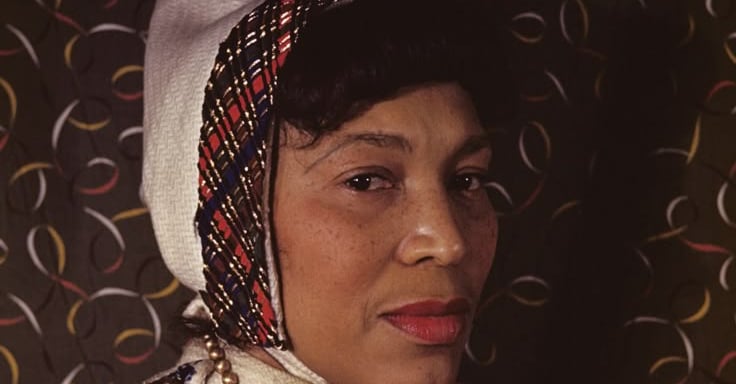
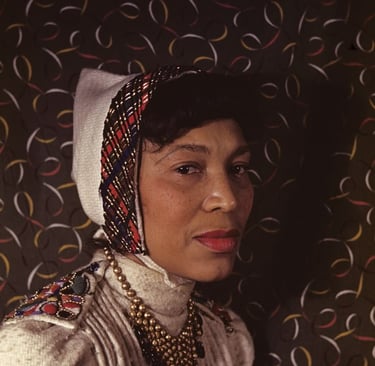
Zora Neale Hurston Cultural Archivist
Zora Neale Hurston understood something radical long before academia caught up, She recognized that black culture is not ornamental, it is data. She saw that the everyday practices of Black people storytelling on porches, rituals passed down through kitchens, language shaped by migration and memory, were not decorative expressions but primary sources of knowledge. At a time when scholars dismissed these elements as folklore or primitive entertainment, Hurston treated them as living records of history, psychology, and social structure. Her work insisted that meaning lived in cadence, humor, foodways, and belief system. Hurston rejected the notion that black life should only be expressed through formal institutions or written archives. By centering lived experience, she challenged who was allowed to produce knowledge and what forms that knowledge could take.
Through works like Mules and Men and Jonah’s Gourd Vine, Hurston demonstrated a methodology that was both rigorous and intimate. She documented Black life without translation or apology, preserving voice and context as evidence rather than embellishment. This approach reframed culture as a system of information, one that carries values, survival strategies, and collective memory across generations. Long before data collection became a buzzword, Hurston was capturing qualitative intelligence rooted in community and continuity. In doing so, she laid the groundwork for how culture is studied, valued, and leveraged today across academia, media, and the creative economy.
At a time when Black life was either caricatured or erased, Hurston documented it as it was lived. Not cleaned up for white audiences. Not translated into “acceptable” language. Not framed through pity or protest alone.
In Mules and Men, Hurston preserved Black folklore in its original voice, dialect intact, humor unfiltered, spirituality woven naturally into everyday life. She treated porch talk, folk tales, foodways, and rituals not as curiosities, but as intellectual inheritance.
And in Dust Tracks on a Road, her autobiography, she went deeper. Hurston asserted that her own life, her upbringing, her observations, her contradictions was worthy of record. This was a direct challenge to the idea that only exceptional or tragic Black lives deserved archiving.
Hurston’s work legitimized the ordinary.
That legacy reverberates today in ways we often fail to name. Every chef that tells their story behind a family recipe. Every creator who understands that aesthetics without cultural grounding are hollow. Modern cultural creators owe Hurston more than inspiration, they owe her methodology.
She showed us that Black culture does not need elevation through translation. It needs preservation through respect.